
Ways Welders Are Important to the Community
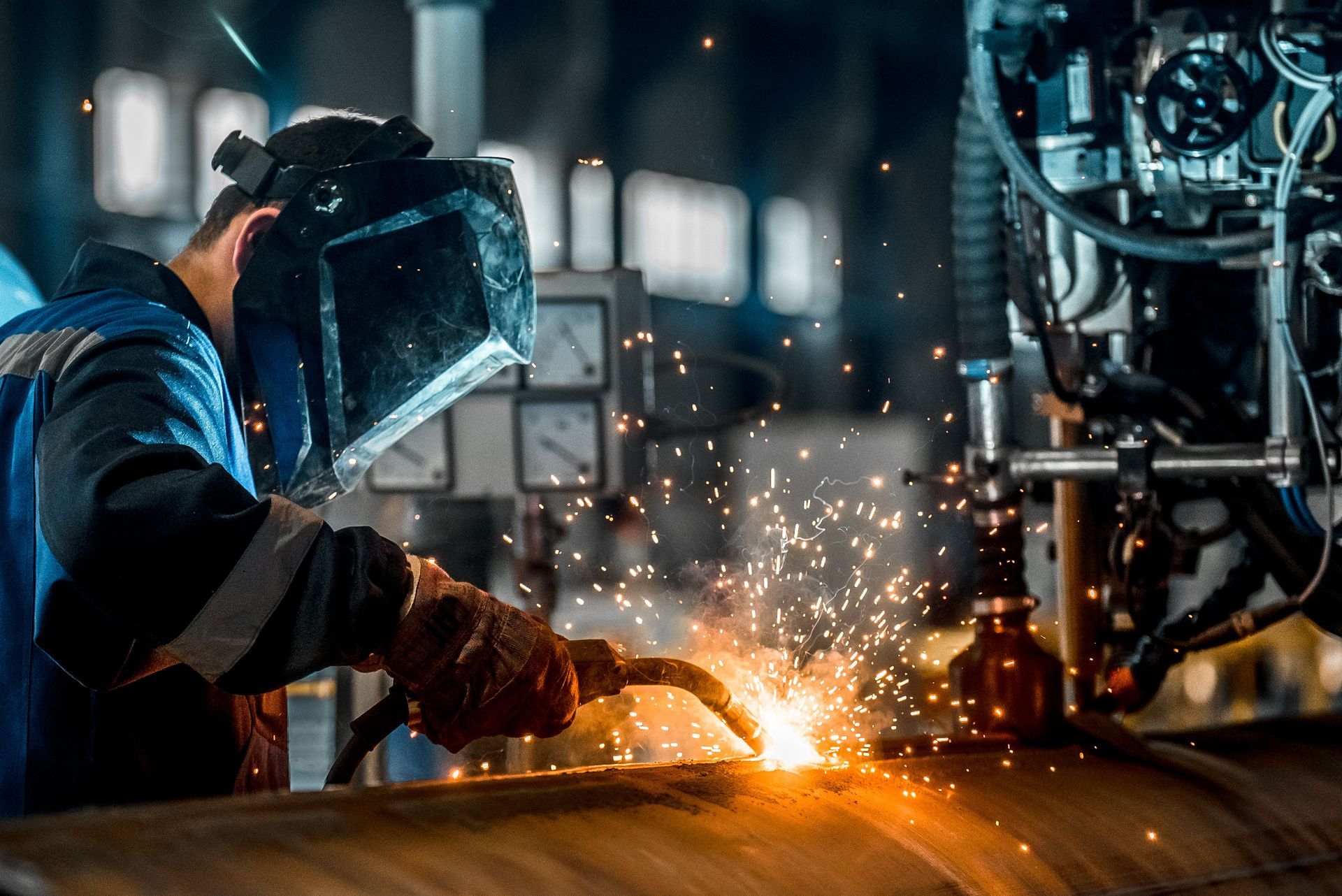
Welders are the unsung heroes of community development, playing a critical role in building and maintaining the infrastructure and industries that underpin our daily lives. Their knowledge ensures the construction of safe and reliable structures, making it possible for society to function in a cohesive manner. Because of their hard work, many people find that pursuing welding class training is an excellent way to enter a stable and rewarding career path. This article explores the multifaceted contributions of welders, highlighting their impact on infrastructure, manufacturing, environmental sustainability, the economy, and technological advancement. By providing the essential skills needed to fuse the world together, these professionals create the backbone of our modern existence and ensure that the buildings and bridges we use every day remain secure and functional for generations to come.
Building the Foundation of Local Infrastructure
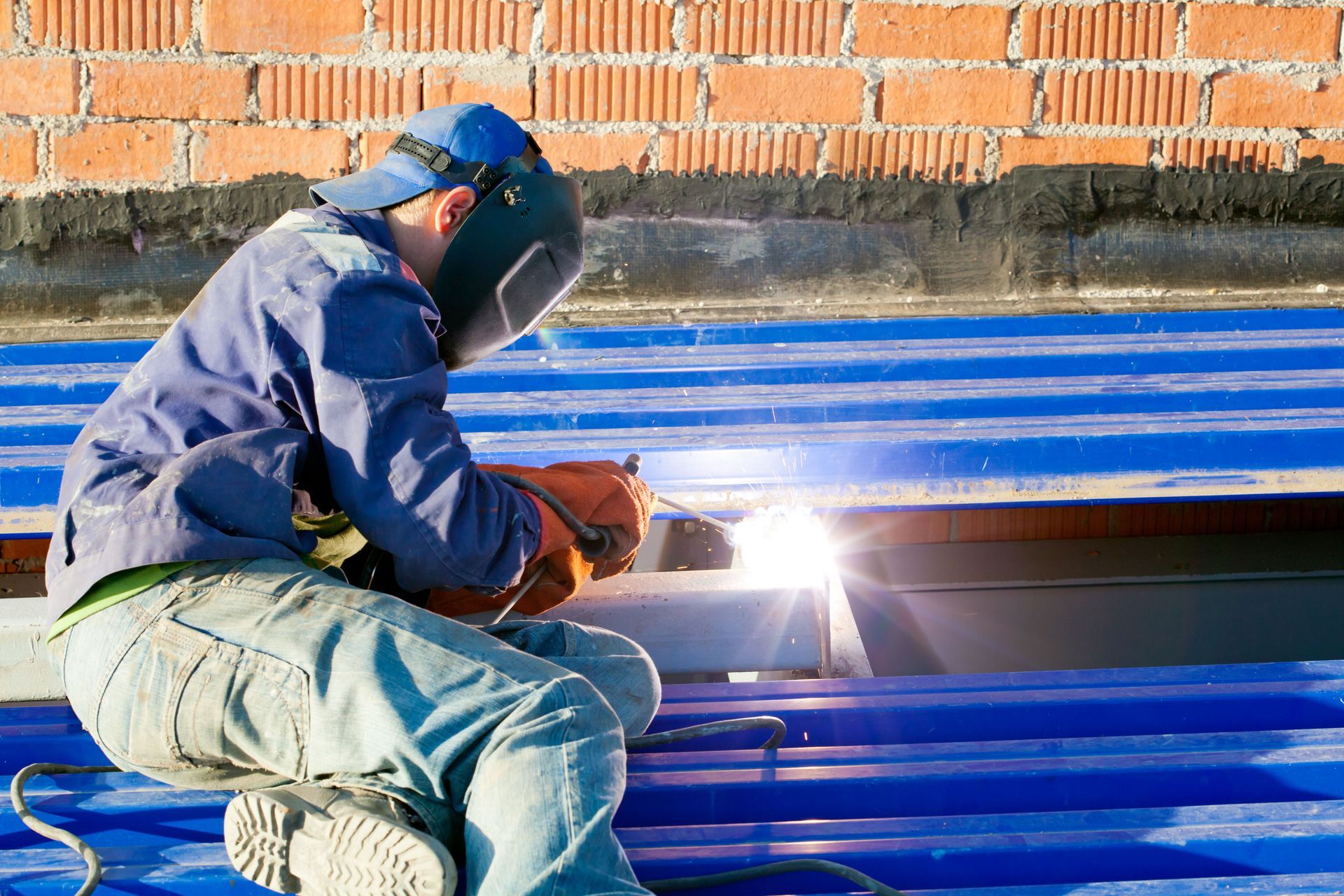
Welders are integral to the construction industry, ensuring the stability and safety of buildings, bridges, and other structures. They work diligently to connect metal components, forming the backbone of critical infrastructure. Without their skilled labor, the durability and safety of our urban environments would be compromised. Welders' contributions to construction projects help minimize risks and ensure longevity, providing the public with reliable facilities. This essential role makes them invaluable to modern society as they continuously fortify the structures that support community life. By maintaining these critical pathways, they help facilitate economic activities and keep communities interconnected. Their work behind the scenes makes modern travel possible, contributing to the efficiency and reliability of transportation networks. Public spaces, such as stadiums and parks, also benefit from this craftsmanship. These venues require careful attention to structural integrity to safely host large gatherings. Skilled technicians assist in constructing and maintaining these areas, ensuring that they can withstand the demands placed on them by active communities.
Driving Excellence in the Manufacturing Sector
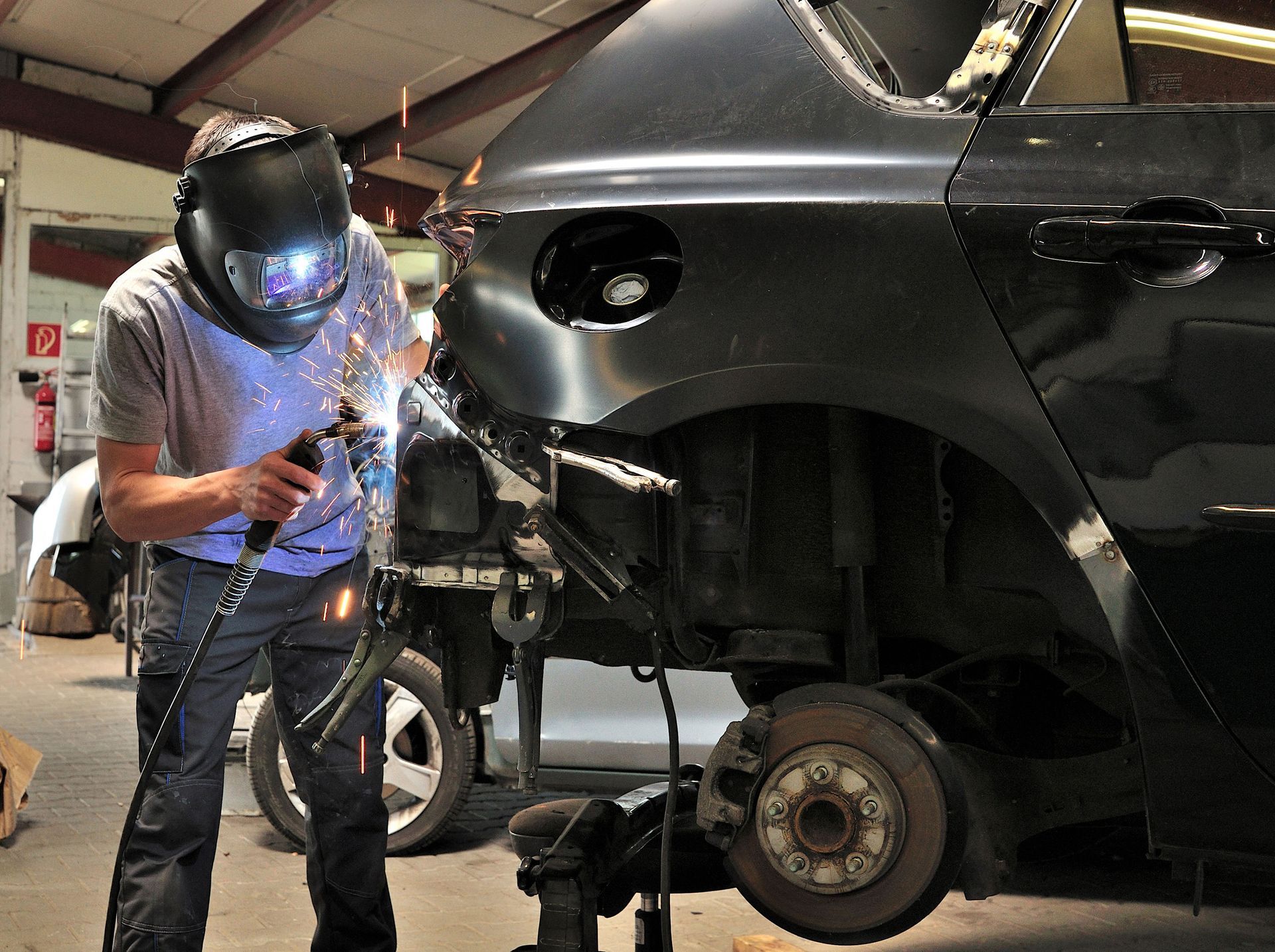
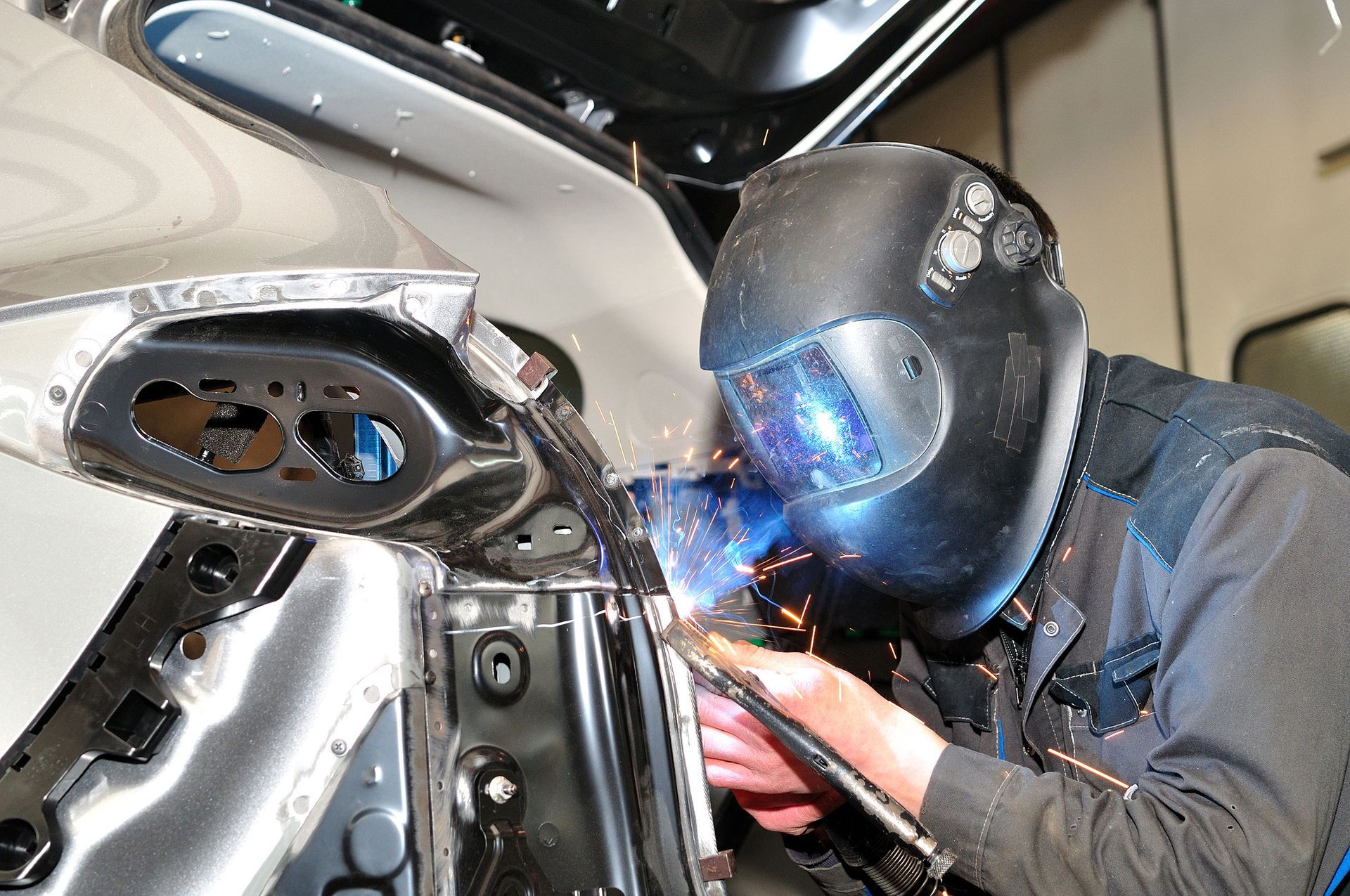
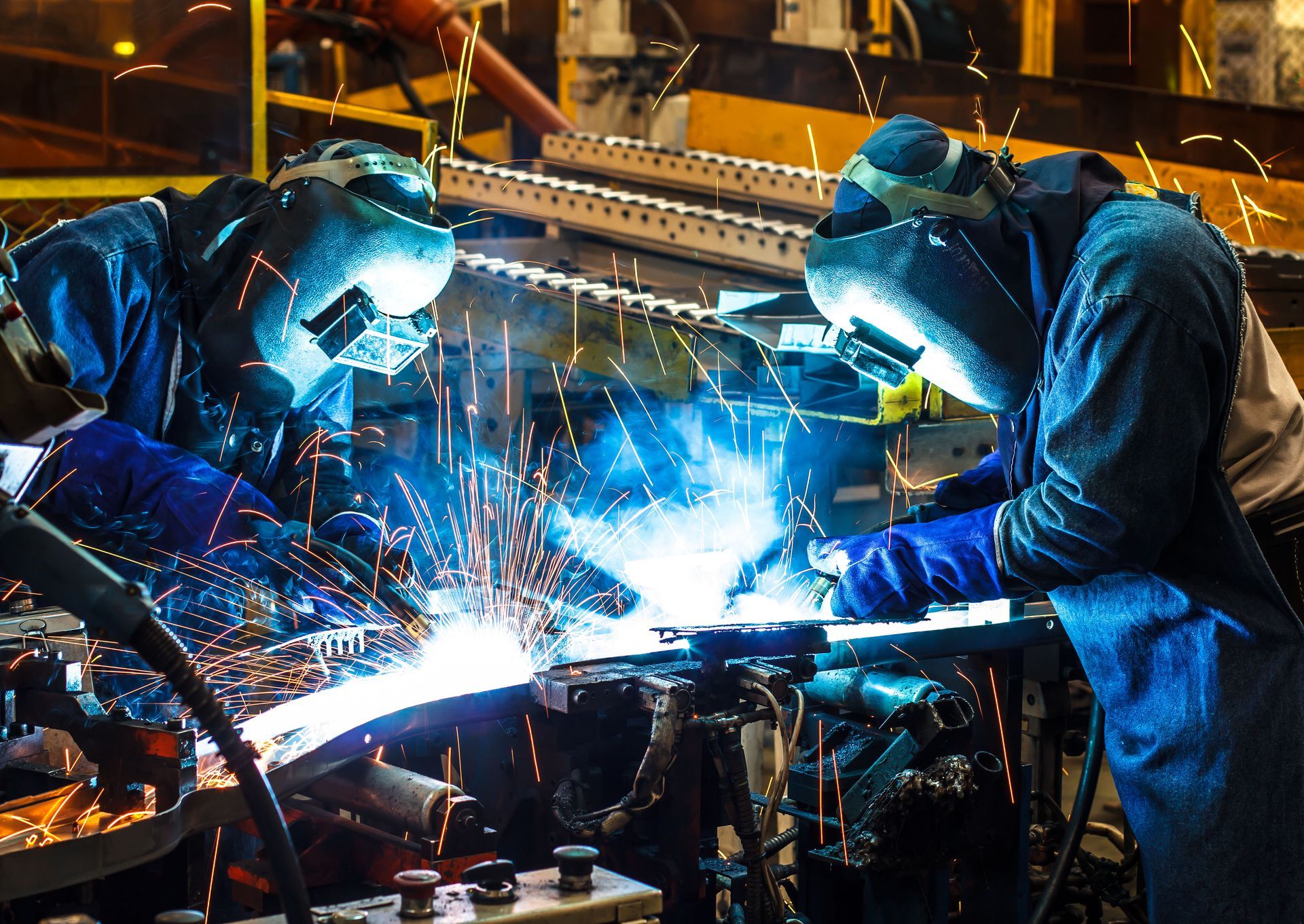
In manufacturing, these professionals play an indispensable role, particularly in the automotive industry. They help create the sturdy, safe vehicles we rely on daily, from automobiles to public transportation. Through precise techniques, they join metal parts, forming the frame and body of cars that meet high safety standards. The manufacturing sector relies heavily on skilled laborers whose craftsmanship ensures that vehicles can withstand the rigors of everyday use. This integration of technical skill directly impacts the safety and reliability of transportation solutions worldwide. For those looking to enter this field, enrolling in welding class training provides the specific manual dexterity required for high-stakes assembly lines. The aerospace industry also demands a high level of precision and quality assurance. According to U.S. News and World Report, approximately seven out of every ten items manufactured today require some level of welding, ranging from massive wind turbines and spacecraft to the structures of rollercoasters. This staggering statistic highlights how much of our commercial world depends on this trade. Electronics manufacturing also utilizes these skills to support the development of durable and reliable devices. They join the metallic components found in everything from household electronics to sophisticated industrial machinery. This work is essential, as electronics depend on high-quality assembly techniques to function correctly. By ensuring the structural integrity of electronic devices, they contribute directly to technological advancement and consumer satisfaction.
Supporting Environmental Stability and Sustainability
Welders are pivotal in advancing renewable energy projects, such as wind farms and solar panel installations. Their proficiency ensures the structural integrity of these systems, which are crucial for sustainable energy production. Technical skill is essential in reinforcing components that face various environmental stresses, from high winds to temperature changes. As societies worldwide push for cleaner energy sources, the contributions made to constructing and maintaining these systems play a vital role in reducing carbon footprints. Quality welding class training often includes modules on these newer, greener technologies to prepare the workforce for an eco-friendly future. Recycling facilities and waste management operations also benefit from these abilities. They construct and maintain the machinery needed to process and recycle materials, contributing to environmental sustainability. By ensuring these facilities remain efficient, they help communities manage waste effectively, reducing landfill use and environmental impact. Their role emphasizes the importance of skilled trades in supporting eco-friendly practices and innovations. By embracing these technologies, they contribute to a more sustainable manufacturing landscape. In the aftermath of natural disasters, these professionals are crucial to recovery efforts, helping rebuild and strengthen affected communities. Their skill in repairing damaged infrastructure and restoring critical services is invaluable during these times. They work on projects such as reinforcing bridges and constructing temporary shelters, ensuring that recovery is swift and effective.
Strengthening the Local and National Economy
The welding industry is a significant source of employment, offering diverse opportunities across multiple sectors. As the demand for skilled labor grows, so does the impact on local economies. The industry supports job creation, often resulting in well-paying positions that contribute to economic stability. Moreover, these roles are essential in sectors that form the backbone of national economies, such as construction and heavy manufacturing. Their contributions highlight the essential nature of the trade as both a profession and an economic driver. High-quality welding class training serves as the gateway for many people to find financial independence and long-term career security. Many open their own shops, offering fabrication, repair, and other services to the local community. These endeavors create additional employment opportunities and support economic diversity. By generating new ventures, they contribute to local business ecosystems and foster innovation. Their entrepreneurial spirit demonstrates the dynamic nature of the profession and its economic impact. They are also integral to supply chain management, ensuring the continuity and efficiency of goods production. Their work supports various stages of the manufacturing process, maintaining the integrity of products as they move through production lines. This influence is crucial in a globalized economy, where consistent performance is critical for stability.
Advancing Through New Industry Technologies
The welding industry is characterized by ongoing innovations that enhance efficiency, precision, and safety. Advances in techniques and materials are steadily transforming the profession, aligning with fast-paced sectors like aerospace. These technological developments allow for faster work with greater accuracy, meeting the demanding needs of modern projects. By embracing these innovations, workers contribute to industry progress and global competitiveness. This adaptability underscores their role in integrating advanced technologies with traditional craftsmanship. Dedicated welding class training helps professionals stay current with these rapid changes, ensuring they can operate advanced machinery. Robotics and automation have also found a place within the shop, enabling complex and large-scale operations to be performed with extreme precision.
The integration with robotic systems extends human capabilities, enhancing productivity and quality. This synergy illustrates the transformative potential of combining human ingenuity with cutting-edge machinery. Processes powered by automation boost the efficiency of the manufacturing sector, demonstrating significant industrial impact. Material science advancements also play a major role, providing new opportunities for increased performance and reduced environmental impact. Technologies that develop stronger, more adaptable alloys enable workers to respond to diverse engineering challenges. These improvements encourage the adoption of materials that offer better durability and sustainability. Digital technologies are also reshaping the approach to daily tasks, offering innovative solutions for planning and monitoring work. From virtual reality simulation environments to precision control systems, digital tools enhance accuracy. The integration of digital technologies demonstrates a high capacity for evolution. Training programs focusing on modern tools empower individuals to innovate within their practice. Lifelong learning initiatives support the skill enhancement necessary to navigate changes in industry standards. The emphasis on development ensures the future viability and growth of the entire trade. Those who complete their welding class training are prepared to lead the industry into a new era of digital integration and mechanical excellence.
Welders are indeed vital to communities, shaping our surroundings and industries in profound ways. Their extensive impact is felt across infrastructure, manufacturing, sustainability efforts, and economic growth. As a society, valuing and empowering these skilled individuals paves the way for collaborative progress and shared success. As we look toward the future, the need for these specialized skills will only continue to grow, making the trade a cornerstone of modern industrial achievement. Supporting local education and vocational programs ensures that the next generation is ready to take on the challenges of a changing landscape. For those ready to start their journey in this essential field, contact Crider's Institute of Welding Technology.
Share On: