
What Makes a Successful Welder? Tips from Welding School
Welding blends technical knowledge with hands-on precision. For those considering a future in the trade or looking to strengthen their abilities, enrolling in a welding school can help clarify the core qualities that contribute to success. Strong welders are not only skilled with equipment but also disciplined in their approach to safety and committed to refining their craft through consistent practice.
Strong Technical Foundations
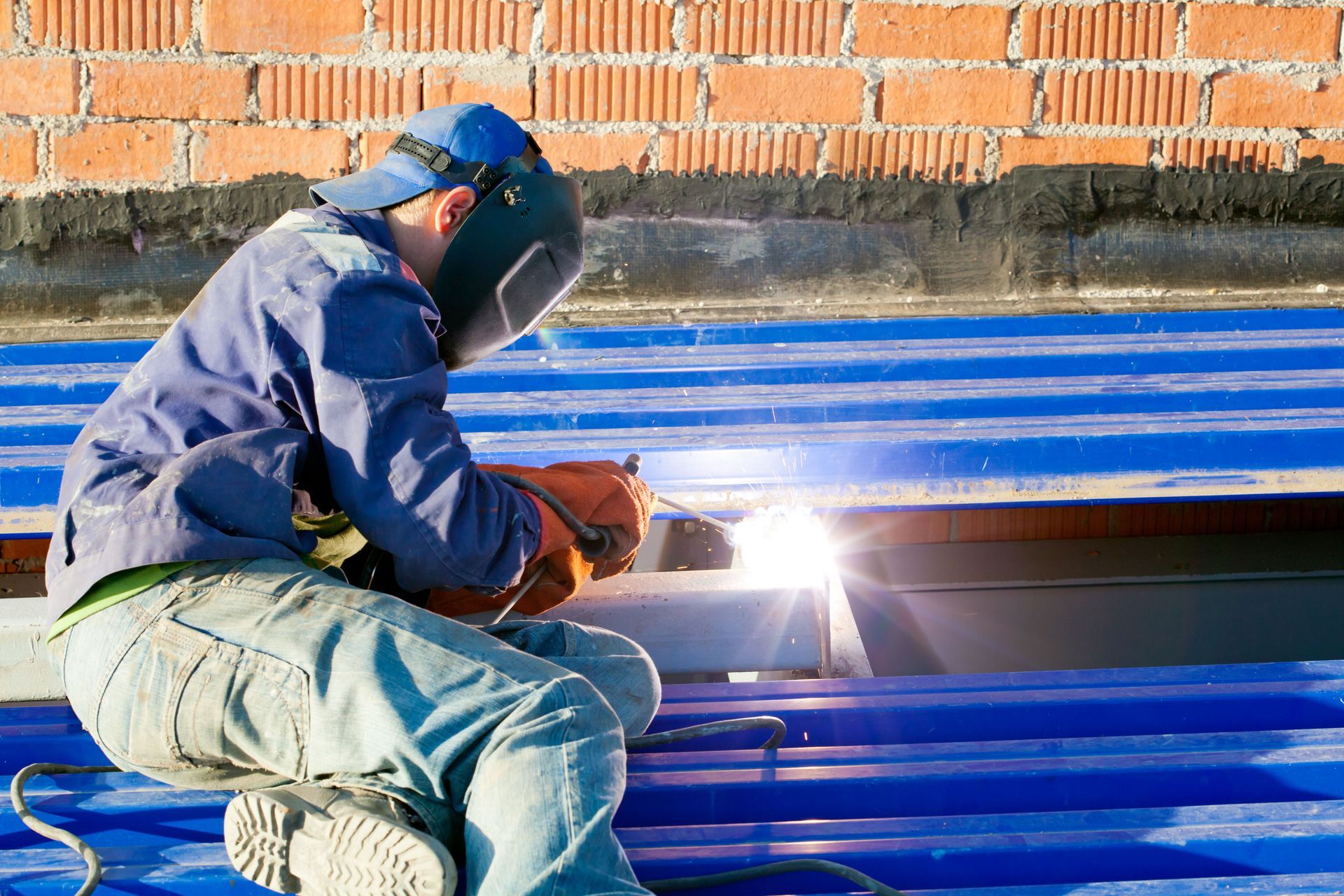
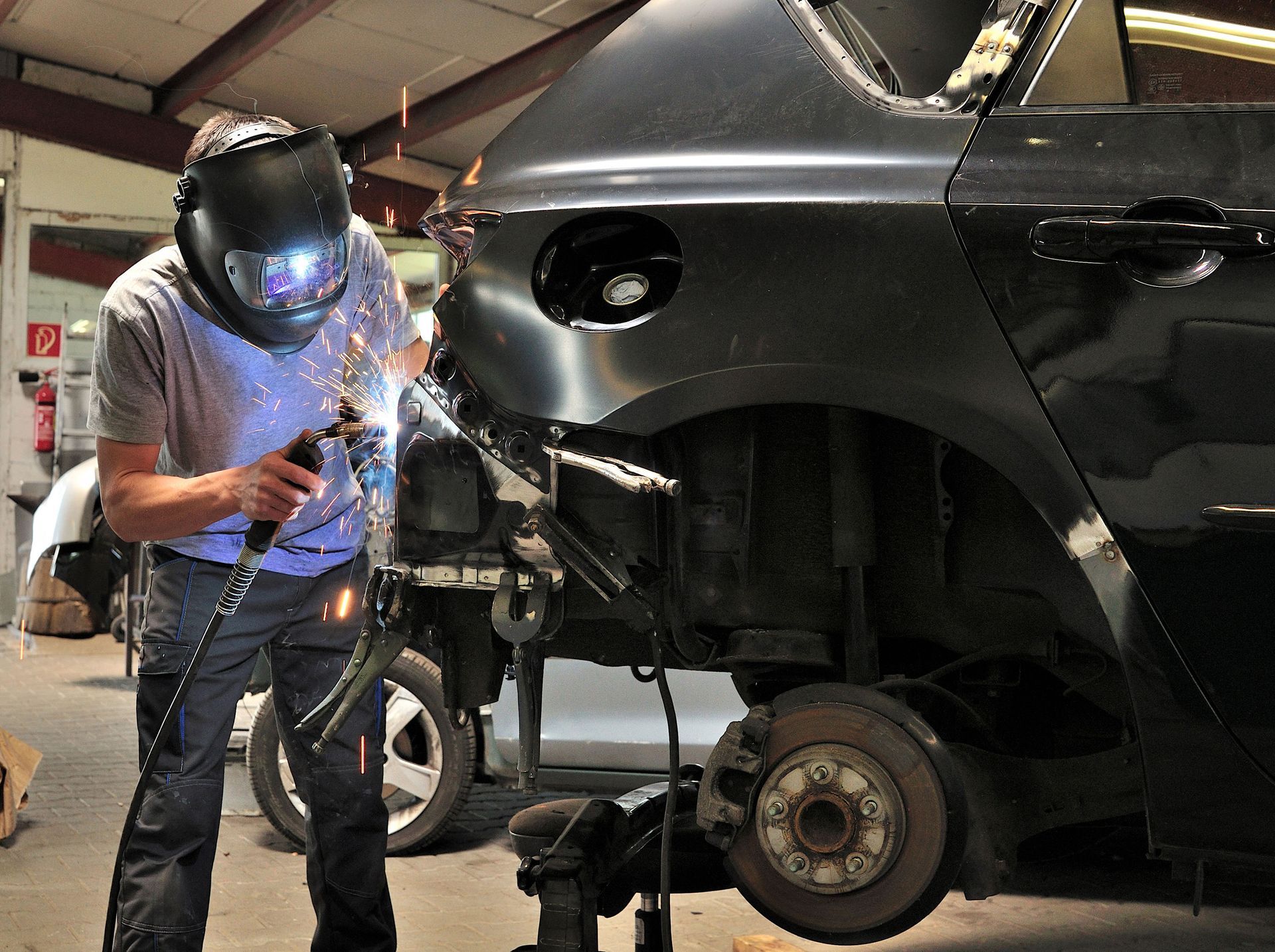
Technical proficiency is central to producing quality welds. At a welding school, students develop a clear understanding of how different materials respond to heat and how to properly set up and operate welding equipment. Learning multiple welding processes and practicing them repeatedly in a structured environment helps reinforce proper technique and consistency.
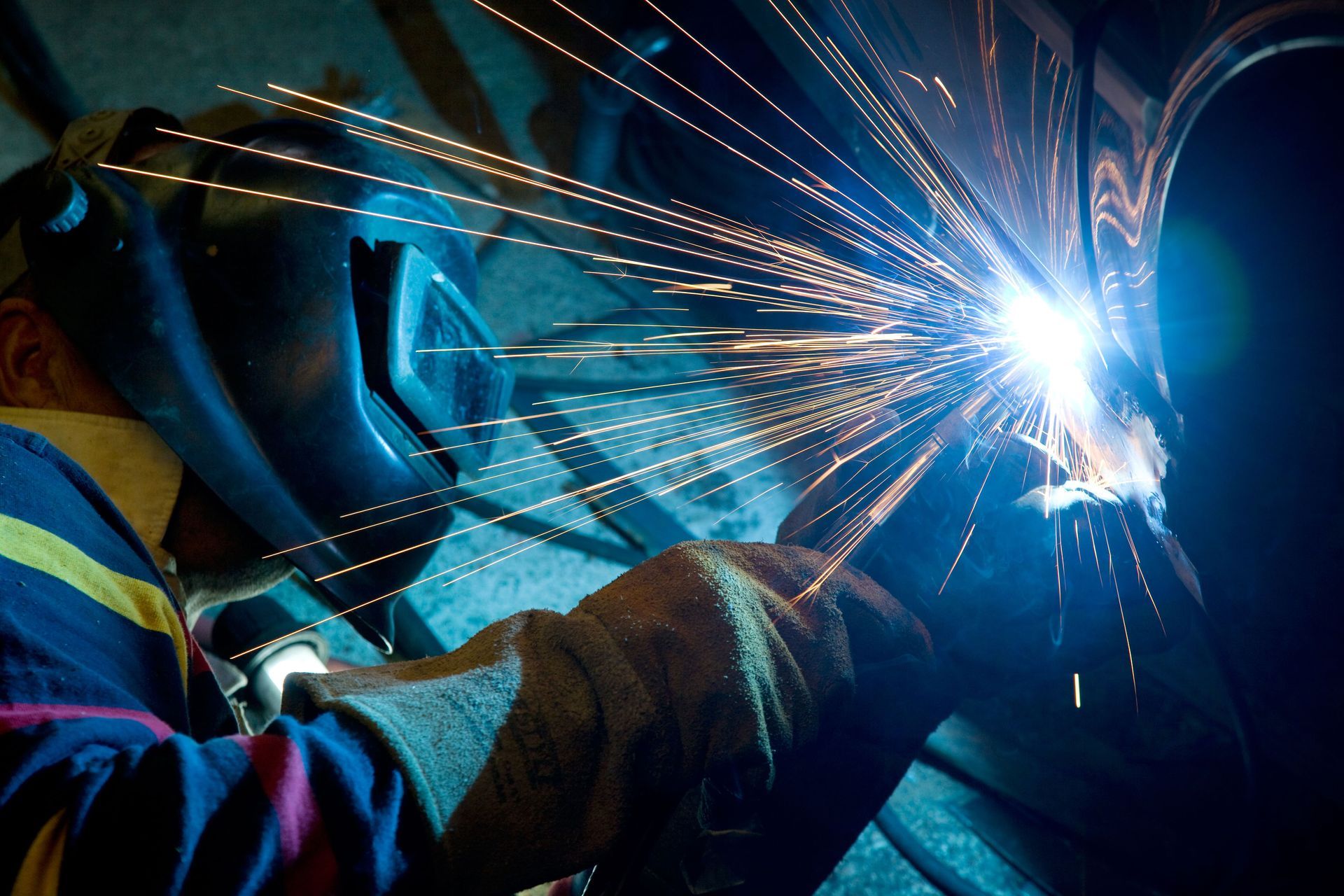
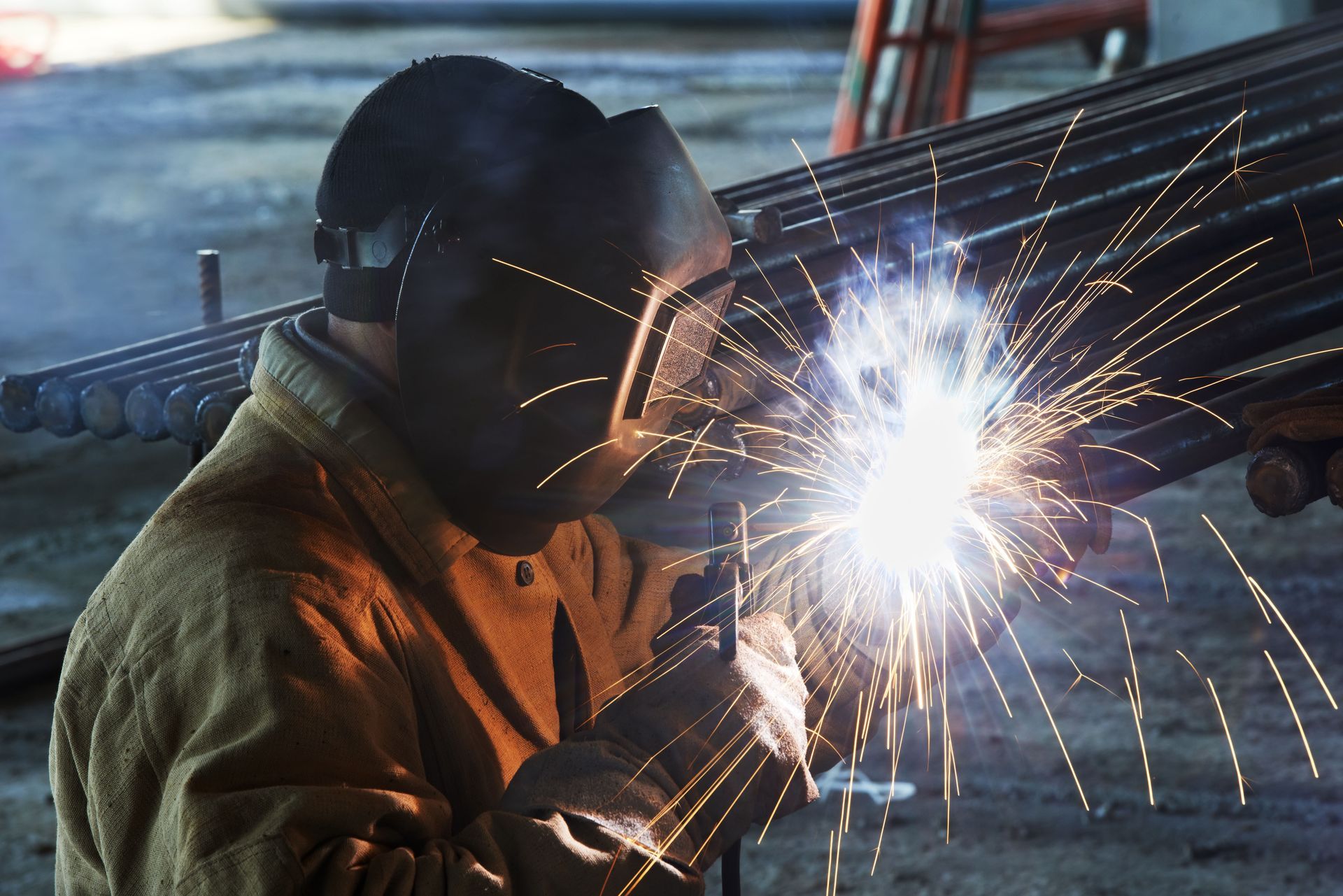
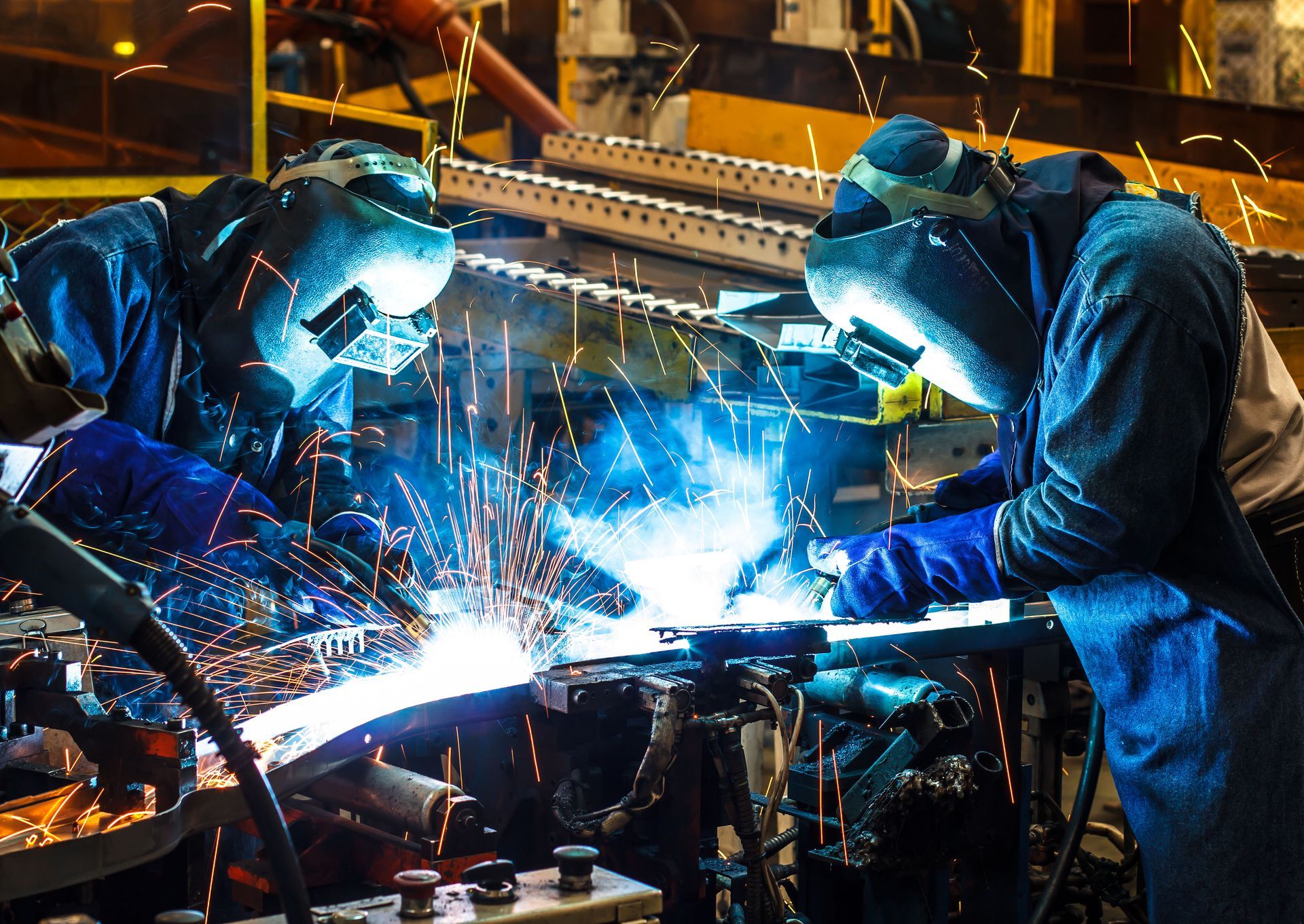
Hands-on instruction plays a critical role in skill development. Through guided training at a welding school, students spend substantial time working directly with welding equipment to gain confidence, improve accuracy, and learn how to troubleshoot common challenges. When classroom learning is combined with practical application, welders are better prepared to perform effectively in real-world settings.
Critical Safety Practices
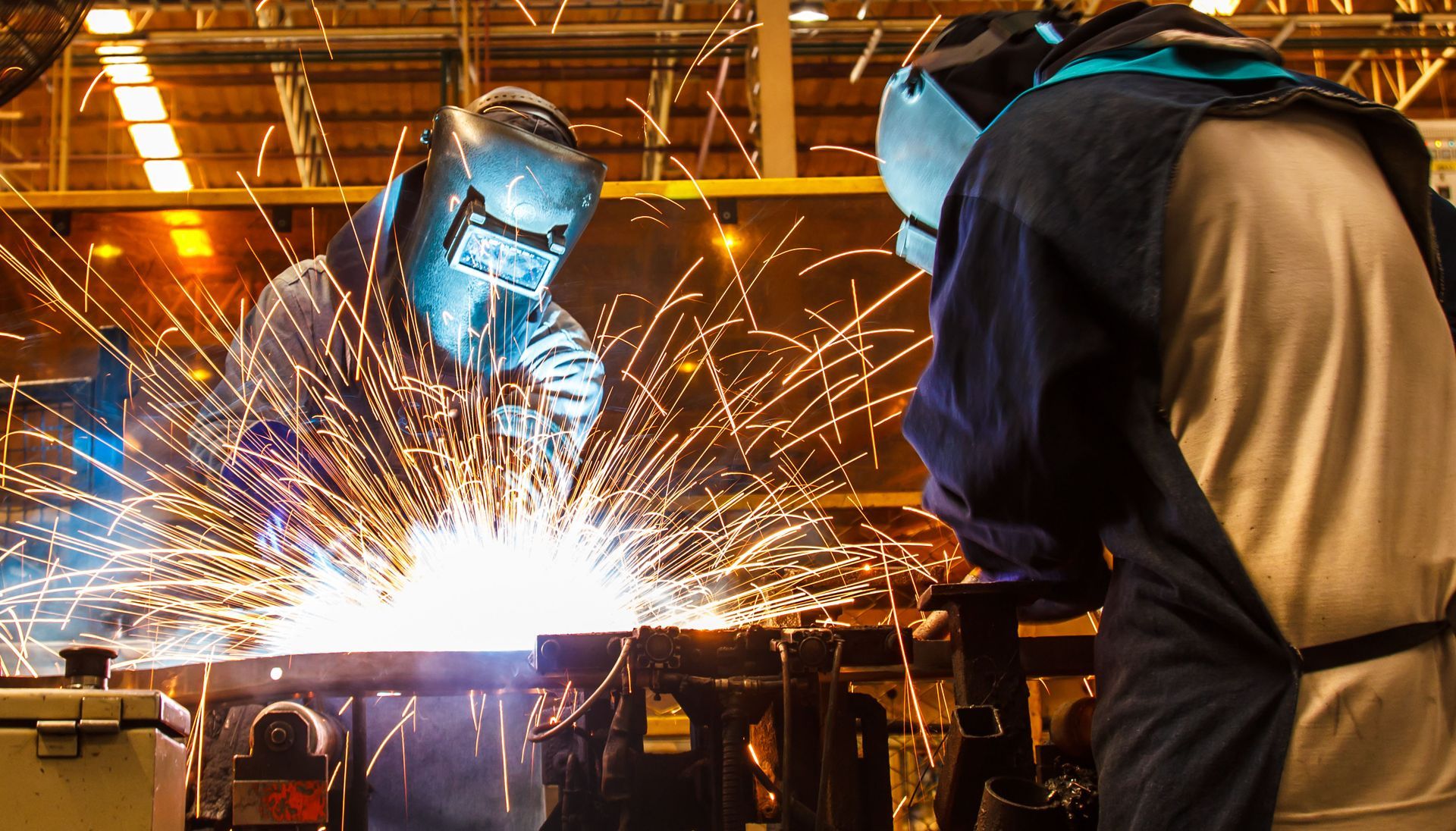
Safety is a fundamental part of welding success. A welding school emphasizes working with high heat, electrical components, and metal materials in a way that requires careful attention and strict adherence to safety procedures. Understanding proper protective equipment, maintaining an organized workspace, and following established guidelines help reduce risk and promote consistent results.
A strong safety mindset also supports quality workmanship. In a welding school environment, students are encouraged to remain aware of their surroundings and equipment conditions at all times. This awareness helps them produce steady, dependable work while protecting themselves and others in the environment.
Continued Professional Development
Welding is a trade built on continuous improvement. Progress comes through repetition, feedback, and a willingness to refine technique over time, and a welding school provides the structure needed to support that growth. Structured training programs that combine classroom instruction with extensive hands-on practice give students the opportunity to steadily build their abilities across different welding processes.
According to IMARC Group, welding offers competitive wages, with manufacturing welders earning an average annual compensation around $95,990. This statistic highlights how skill development can translate into meaningful career opportunities. By remaining dedicated to learning and practicing with intention, aspiring welders can strengthen their technical foundation and prepare for opportunities within the field.
Becoming a capable welder requires strong technical ability, careful attention to safety, and a steady dedication to improving one's craft. Through structured classroom learning and extensive hands-on practice at our welding school, aspiring welders can sharpen our technique and build lasting confidence in our work. To explore training opportunities and take the next step in developing your skills, learn more about the programs available at Crider's Institute of Welding Technology.




Share On: