
How Welding Classes Training Can Unlock High-Paying Jobs
Welding is a skill in high demand across numerous industries, from construction to manufacturing, offering access to lucrative career opportunities. Skilled welders are sought after for their ability to build and repair metal structures efficiently and safely. Enrolling in welding classes training equips individuals with technical knowledge and hands-on experience, serving as a strong foundation for a rewarding career. With modern welding techniques and evolving industry standards, students can pursue specialized roles that combine skill, innovation, and high earning potential. Understanding how to leverage welding education is the first step toward entering this dynamic profession.
The Importance of Welding in Modern Industries
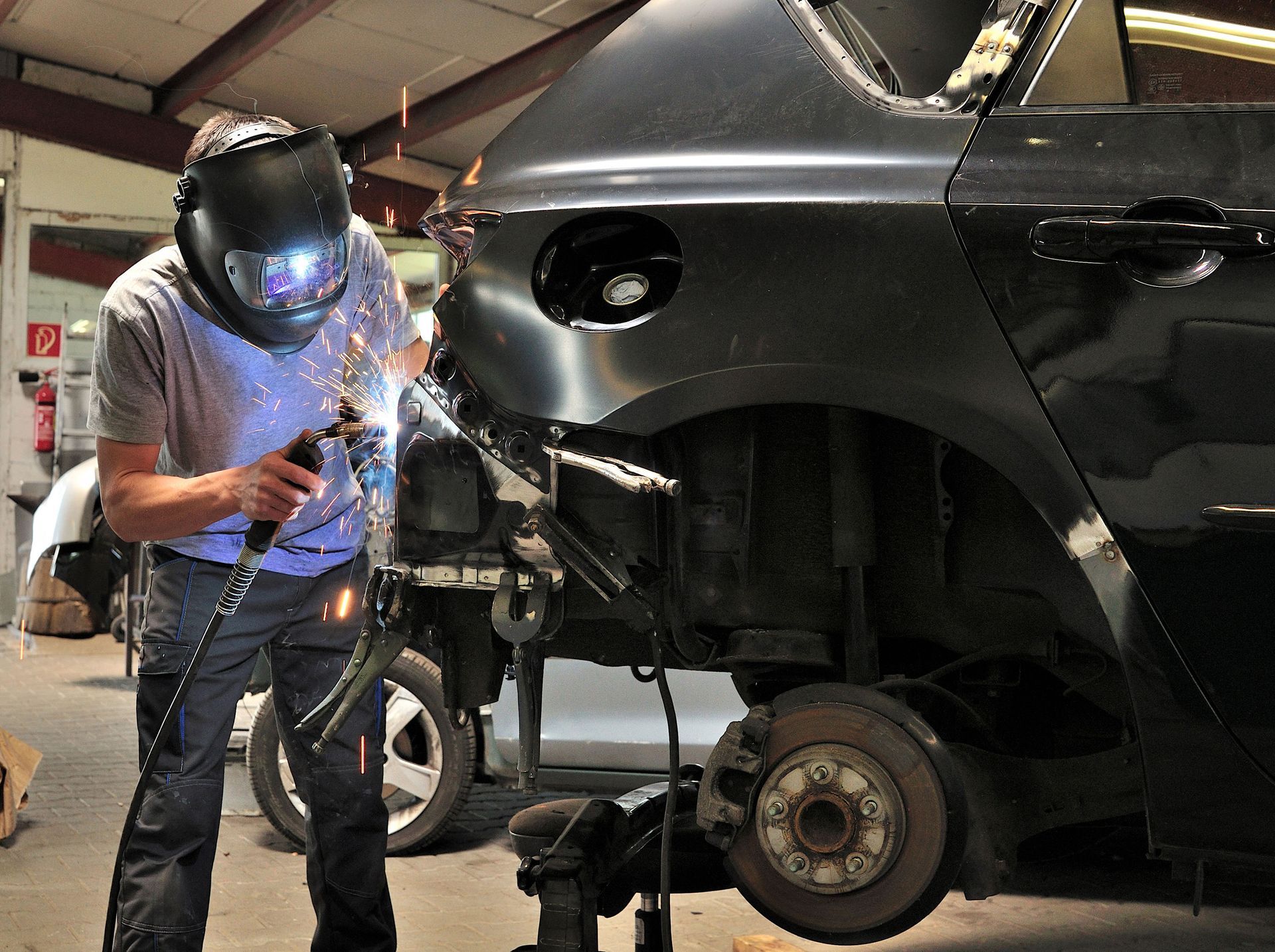
Welding remains a cornerstone of modern industry, critical for assembling, repairing, and maintaining metal structures. From automotive production to aerospace applications, nearly every sector relies on welders to deliver durable and precise joins. The expertise gained through welding classes training ensures that individuals can contribute to infrastructure projects, manufacturing processes, and equipment maintenance. Industries increasingly seek qualified professionals to support growth, improve efficiency, and maintain competitive advantages. As a result, the demand for skilled welders continues to expand, making formal training an essential investment for career success.
Learn Different Welding Techniques
Welding encompasses a variety of techniques, each suited to specific materials and project requirements. Shielded Metal Arc Welding (SMAW), or stick welding, is versatile and widely used in construction and repair work. Gas Metal Arc Welding (GMAW), or MIG welding, is popular in high-productivity environments such as automotive manufacturing due to its speed and ease of use. Gas Tungsten Arc Welding (GTAW), or TIG welding, provides precision for projects requiring detailed and refined joins, including aerospace applications. Welding classes introduce students to these techniques, helping them diversify skills and prepare for a broader range of career opportunities.
Follow Safety Precautions and Best Practices
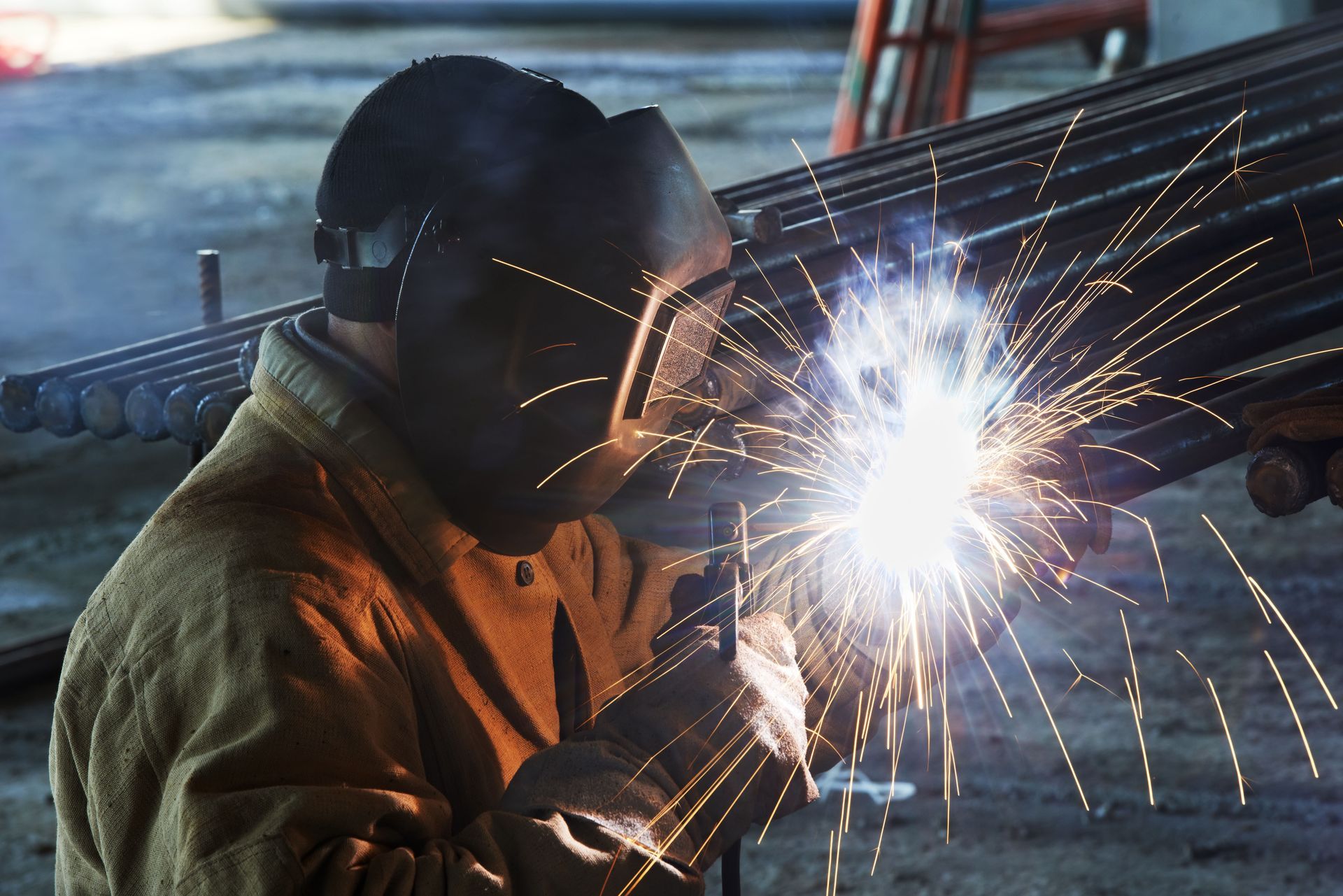
Safety is essential in welding due to high temperatures, sparks, and electrical risks. Welding classes teach students to use protective equipment and follow workplace protocols, instilling habits that prevent injuries and promote a responsible work culture.
Master Key Tools and Equipment
Hands-on familiarity with welding tools and equipment is essential for professional success. Welding machines, electrodes, protective helmets, and appropriate shielding form the foundation of a welder’s toolkit. Advanced techniques may require additional materials, such as filler metals or shielding gases. Welding classes training ensures students know how to operate and maintain equipment effectively, producing high-quality results and prolonging tool life. Understanding the purpose and operation of each tool is critical for precision, productivity, and safe practice in the field.
Obtain Certification to Validate Skills
Certification serves as proof of a welder’s expertise, credibility, and readiness for professional challenges. Organizations such as the American Welding Society (AWS) provide industry-recognized credentials that enhance job prospects. Certified welders are often in higher demand because employers can rely on their verified skills. Welding classes prepare students for certification by teaching both theoretical knowledge and practical applications. Maintaining certifications through ongoing education ensures welders remain competitive and eligible for specialized roles with higher earning potential.
Assess Current Demand and Growth With Welding Jobs
The demand for skilled welders continues to grow due to infrastructure development, technological advances, and industrial expansion. According to Welding Workforce Data, approximately 771,000 welding professionals are active in the US as of 2025, reflecting a steady workforce that underpins multiple sectors. Opportunities for employment remain robust, with projections indicating sustained demand as industries recognize the value of skilled labor. Welding classes train students to meet these evolving needs, opening doors to stable and high-paying positions across diverse markets.
Explore Industry Sectors With High Demand
Several industries consistently seek trained welders to maintain operations and development projects. The construction sector relies on welders for infrastructure such as bridges, commercial buildings, and residential projects. Automotive and aerospace manufacturing requires precision welding for vehicle and aircraft assembly. The energy sector, particularly oil and gas, depends on welders to construct and maintain pipelines and rigs. Welding classes training prepares students for careers in these industries, offering transferable skills and access to multiple job markets with consistent demand.
Adapt to Technological Advancements
Welding technology is rapidly evolving, creating opportunities for professionals who can work with advanced systems. Robotic and automated welding machines are becoming standard, and welders trained to operate and program these systems gain a competitive advantage. Welding classes introduce students to modern equipment, digital tools, and techniques that improve efficiency, safety, and precision. Embracing technological advancements allows welders to expand their capabilities and pursue innovative projects, positioning them for future career growth.
Consider Geographic Variations in Welding Jobs
Employment opportunities in welding can vary by location. Urban industrial hubs often offer higher demand, while coastal regions involved in shipbuilding or offshore operations also require skilled professionals. Mobility can expand access to well-paying opportunities, and welding class training provides the skills necessary to compete in diverse geographic markets. Understanding local industry trends helps welders strategically target locations with abundant job prospects.
Gain Insight From Success Stories With Welding Careers
Many welders have built successful careers through dedication, training, and continuous skill development. Apprentices who began with basic training have progressed to supervisory positions, quality inspectors, or owners of small welding businesses. These stories highlight the value of welding class training, certification, and hands-on experience. Sharing such examples can inspire students to pursue welding as a sustainable career path, recognizing the long-term opportunities available in the field.
Understand the Financial Benefits Of Welding
Welding provides competitive salaries and long-term financial stability. Entry-level welders quickly gain earning potential through experience and certifications, with opportunities for overtime and specialized roles that command higher pay. Compared to trades like carpentry, plumbing, or electrical work, welding often offers additional paths for advancement, particularly in niche areas such as underwater or aerospace welding. Welding classes training prepares students for these opportunities, maximizing earning potential while supporting long-term career development.
Prioritize Hands-On Experience
Practical experience is essential for mastering welding techniques. Welding classes emphasize lab work, supervised projects, and real-world scenarios to build confidence and competency. Programs that integrate hands-on training ensure students transition smoothly into the workforce, meeting industry standards from day one. This experiential learning solidifies technical skills and professional readiness, making graduates highly attractive to employers.
Evaluate Programs and Instructors Carefully
Choosing a welding program requires careful consideration of curriculum, accreditation, and instructor expertise. Accredited programs meet industry standards and prepare students for certification exams. Experienced instructors provide insight into real-world applications and industry expectations. Welding classes training at reputable institutions ensures students receive quality education, practical guidance, and exposure to emerging technologies, setting the stage for long-term career success.
Integrate Advanced Skills and Specializations
Advanced certifications and specialized techniques open additional career opportunities. Earned credentials enable welders to access high-responsibility roles and higher pay. Specialized techniques in areas like aerospace or underwater welding command niche markets with scarce competition. Welding classes training that incorporates advanced skills equips students to pursue these lucrative paths, combining expertise with market demand for unique qualifications.
Leverage Networking and Professional Associations
Active participation in professional organizations and networking opportunities can expand career prospects. Associations such as the American Welding Society offer events, mentorship programs, and educational resources. Networking helps welders discover job openings, share knowledge, and build professional relationships. Welding classes often include guidance on industry involvement, helping students create connections that support career advancement and lifelong professional growth.
Plan Long-Term Career Goals
Strategic planning enables welders to maximize career growth and prepare for future opportunities. Progressing from entry-level positions to supervisory, inspection, or specialized roles enhances both earning potential and job satisfaction. Welding classes provide a foundation for long-term development, encouraging continuous education and skill enhancement. Planning early for career milestones ensures a successful, sustainable path in the welding industry.
Welding classes training provides access to high-paying careers, combining practical skills with certification and industry knowledge. Skilled welders are essential across sectors, from construction to aerospace, and their expertise supports technological and infrastructural advancement. With specialized training and hands-on experience, welders can achieve financial stability, job satisfaction, and career growth. At Crider’s Institute of Welding Technology, we guide students through comprehensive programs that prepare them for real-world success. Our commitment ensures graduates are ready to thrive in the evolving welding industry, unlocking both immediate opportunities and long-term career potential.








Share On: